Origins

From Wallonia to Senegal

BATAO does not begin in Senegal, nor even in Africa. The story starts in Wallonia, with an industry that had to be built almost from scratch, and with one conviction: what worked here can be shared, provided it is adapted.

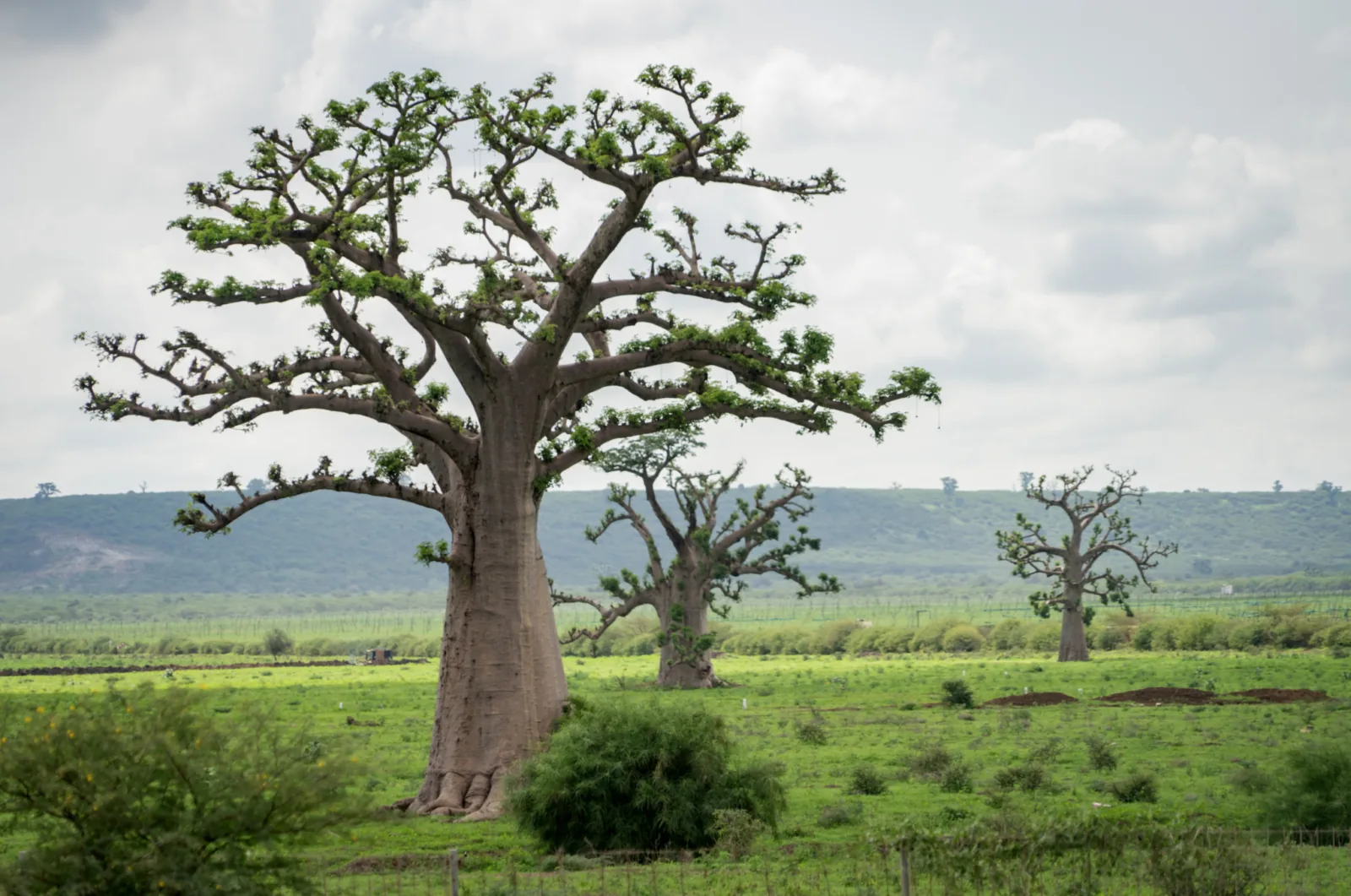
Baobab landscape near Thiès, in Senegal

The idea took shape in 2012, driven by a simple question: what if West Africa were to set up genuine film commissions of its own?

2012: a first pilot in West Africa

At the time, the CLAP, the film commission of the Province of Liège led by Jean-François Tefnin, was exploring new models of audiovisual cooperation. Maxime Dechamps was tasked with launching a first pilot project with the Ouaga Film Lab and Alex Moussa Sawadogo. Focused on Burkina Faso, it sketched out the first outlines of a network of film commissions in West Africa.

2012-2020

Eight years on the ground.

Between that first pilot and the launch of BATAO Senegal, the project never stood still. Two appearances at FESPACO, in Ouagadougou. A mission to Kigali in 2019, as part of the Kigali Audiovisual Forum. Exploratory missions in Benin and Côte d'Ivoire.

The aim was never to export a turnkey model, but to seek, with each partner, an approach that works on the ground.

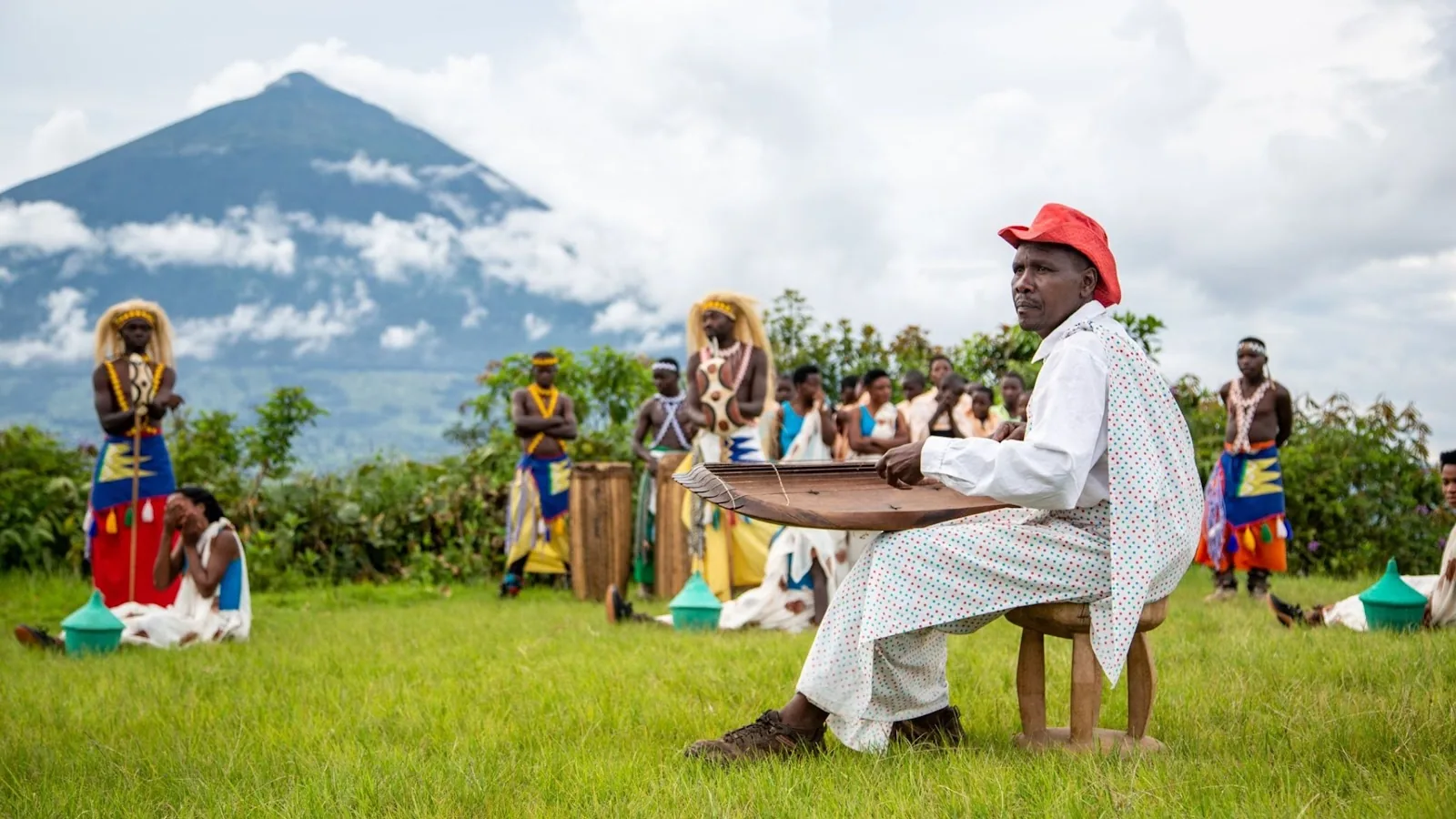
Traditional musician and dancers in front of a Virunga volcano, during a mission to Rwanda in 2018

We did not come to say "do as we do", but: here is what we have done, here is what proved useful to us; how might that be useful to you?

What Wallonia learned in twenty-five years

Twenty-five years ago, Wallonia had no structured audiovisual industry. Talent, however, was not lacking: Belgium had already produced great names, from Chantal Akerman to André Delvaux, and its schools trained filmmakers, including some coming from France. But once recognised, many left to work abroad, often to Paris. Nothing kept the activity within the region.

The turning point came in stages. For a long time, only the cultural support of the Fédération Wallonie-Bruxelles existed. After the Palme d'Or for Rosetta, by the Dardenne brothers, in 1999, the Walloon government created Wallimage: a first incentive based on economic criteria, investing public money in films in return for spending carried out within the region. In parallel, the film commissions took shape. The decisive incentive came in 2004, with the Tax Shelter, a federal tax mechanism that today raises between 150 and 200 million euros a year for production.

In 2018, the film commissions joined Wallimage, which now brings together four divisions: Coproductions, Companies, Shoots and, more recently, Gaming. It is the combination of all these factors, patiently articulated, that turned a region without an industry into one of the solid players in European coproduction.
25 yearsto build an industry on talent
6,3 M€invested each year by Wallimage in coproductions
150 M€raised each year by the Belgian Tax Shelter
500+projects a year, in coproduction and film hosting

A method, not a lesson

This history feeds one simple conviction: alone, we do not count for much; together, we are stronger. Wallonia structured its market around coproduction, with its natural partners, France first and foremost, alongside Luxembourg and Germany. And it worked.

So when BATAO approaches a partner, it is not with a ready-made truth. We have neither the seniority of the great film industries, nor the pretension of holding a universal model. What we have is experience: that of an industry built on sharing and coproduction, and the idea that a framework is built together. We put it on the table, aware of its limits and of the need to adapt it to each territory.

Senegal

2020: BATAO Senegal is born.

Within the framework of the permanent joint commission between Belgium and Senegal, BATAO Senegal was launched in 2020. Co-founded by Wallimage, in Mons, and the Centre Yennenga, in Dakar, with the support of Wallonie-Bruxelles International, it is steered from Belgium by Maxime Dechamps and on the ground by Thierno Ba.

BATAO became a genuine film commission: location scouting, selection of skilled crews, permits, connecting people. A database of Senegalese cinema (locations, service providers, technicians, actors and producers) was assembled and made available on batao.sn. By 2025, more than 65 films had been hosted through it.

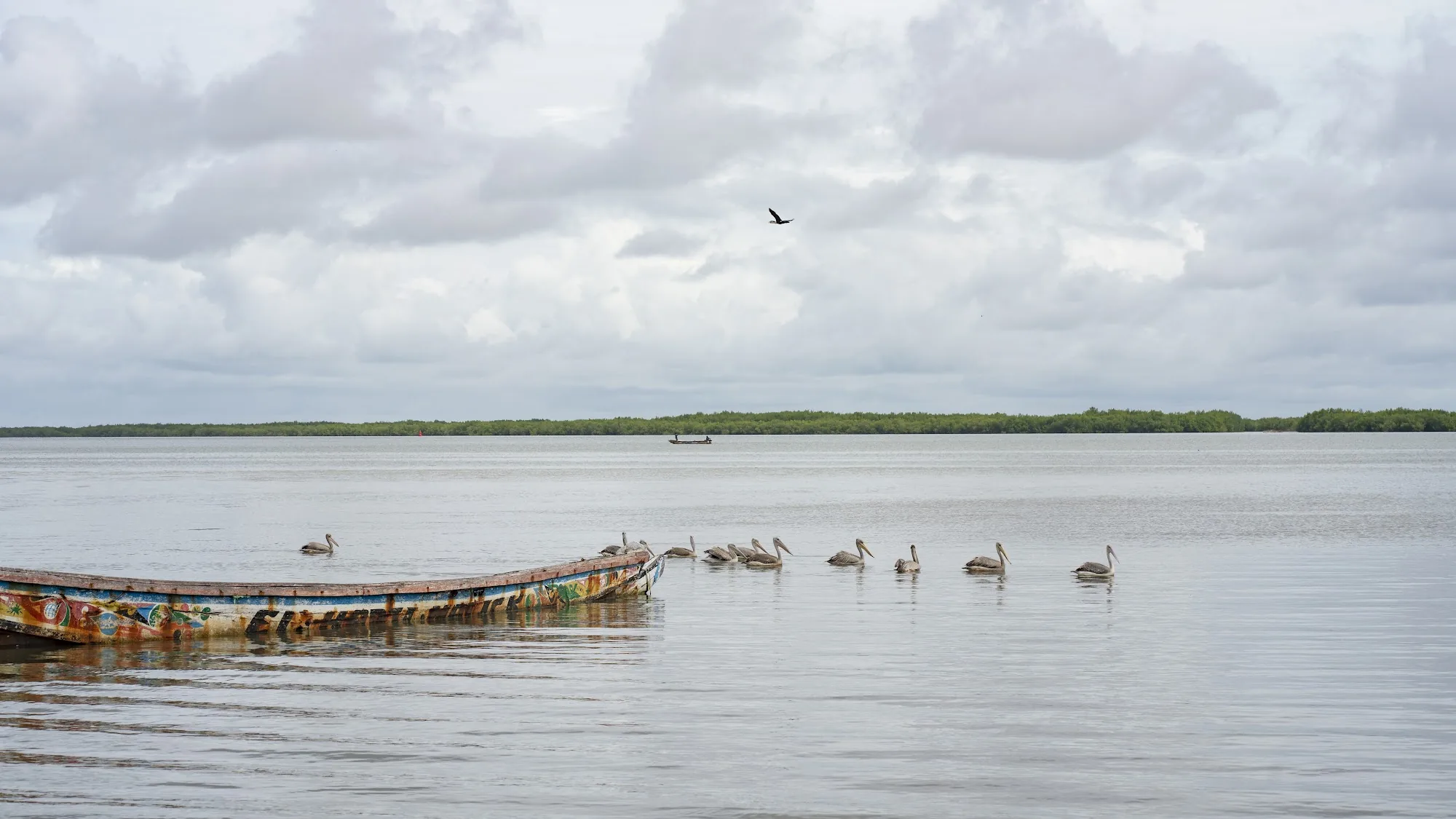
Pirogue and pelicans in Casamance, in Senegal
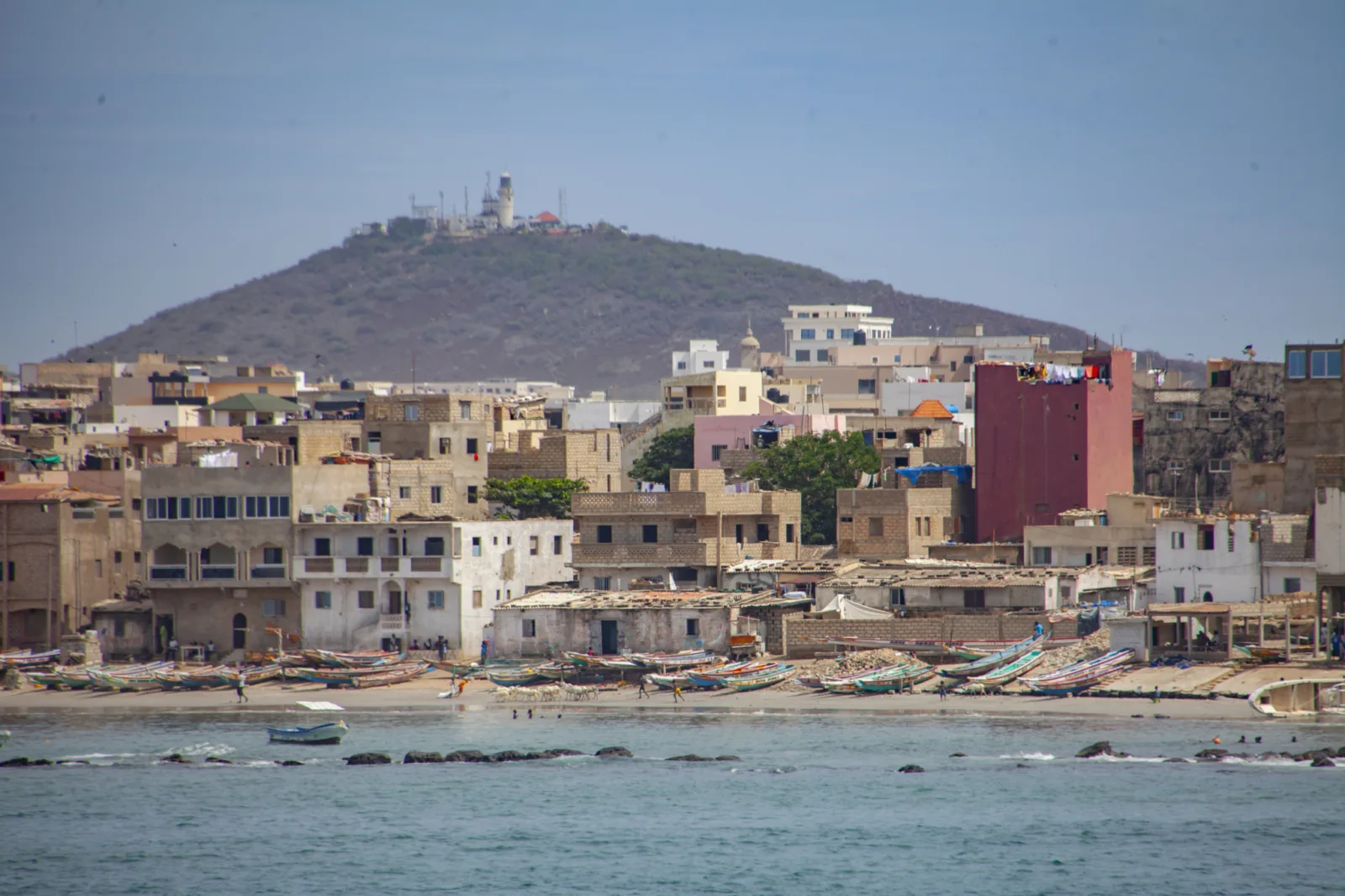
The coastline of Dakar, in Senegal
Dakar, home port of BATAO Senegal.

Towards a brand, and beyond cinema

BATAO then set itself up as a non-profit association, with its own governance. The original acronym gave way to a brand, carried by its own identity and graphic line.

And the ambition no longer stops at cinema or at Senegal alone: it opens up to other territories and other cultural industries, from video games to emerging forms of creation. The method, however, does not change: start from what has worked, and build it together.